Start here
Is it a bullfight? Jerez show
Is the horses and bulls country show near Jerez a bullfight? What the ranch and the ticket describe, what they leave out, and who should skip it.
Book the ranch show ↗Quick answer
No bullfight appears in the programme that the ranch or the booking page describes. The ticket is for a country show at a family ranch in Cádiz province: riders, cattle, mares with foals, two kinds of dressage and Torrestrella fighting bulls. The ranch breeds fighting bulls, a breed that Wikipedia says is raised where bullfighting is organised, and no source we found says what happens to its animals beyond the show or states that none is harmed. If that matters to you, ask the ranch before you book.
The short answer
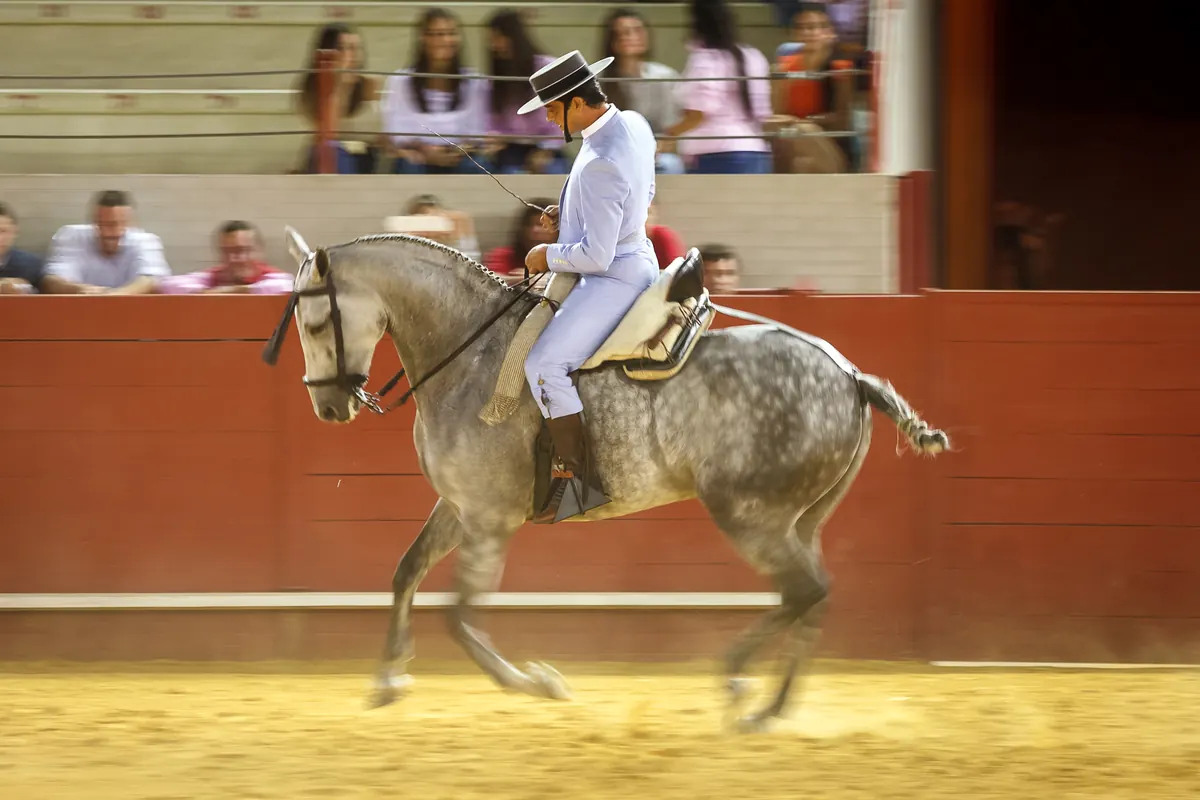
No. The ticket this site covers is a country show at A Campo Abierto, a working ranch called El Carrascal in the countryside of La Janda, in Cádiz province. The ranch's own pages and the GetYourGuide ticket describe riders on Andalusian horses, cattle with their calves, mares with foals, and Torrestrella bulls. Neither describes a bullfight. But the ranch breeds fighting bulls, so the show belongs to the bullfighting world, and the sources stop short of saying what becomes of the animals afterwards. This guide sets out what is written down, what is not, and how to decide.
What the ranch says you will see
The ranch's own list of the visit names six things, and the order below is the order it gives them, not a promised running order. Doma vaquera is the item most visitors will not know. Wikipedia calls it the traditional working riding discipline of Spain, and says it is distinct from classical dressage, the other kind of horse work on the list.
- Las divisas, which the ranch glosses as the colours of the different breeds
- The herd of cows with their calves
- Doma vaquera, which the ranch calls cowboy dressage
- The mares with their foals, loose in the open
- Classical dressage with a purebred Spanish horse
- The brave bulls
What the ticket adds
The GetYourGuide ticket describes the same show from the seat. You sit in the sun or the shade and watch bulls and cattle, including a stallion, calves, mares and foals, while the Domecq family's horses perform classical and countryside dressage. The ticket gives about an hour and a half and four languages for the presenter: English, French, German and Spanish. The ranch's own page also mentions live music and explanations alongside the riders, and a visit to the stables, tack room and a family museum. The ticket's inclusions list does not mention those last three, so check your booking.
What a bullfight is, for comparison
Wikipedia defines bullfighting as a physical contest in which a bullfighter attempts to subdue, immobilise or kill a bull, usually under set rules. In Spanish-style bullfighting, the best-known form, a matador finally kills the bull, and a bullfighter on horseback is called a rejoneador. Wikipedia also notes that the practice is controversial for reasons that include animal welfare, and that Spain's national parliament passed a law in 2013 stating that bullfighting is an indisputable part of the country's cultural heritage. Nothing in the ranch's programme or the ticket describes a contest of this kind. That is not the same as a statement that none takes place, and neither source makes that statement.
What the ranch is
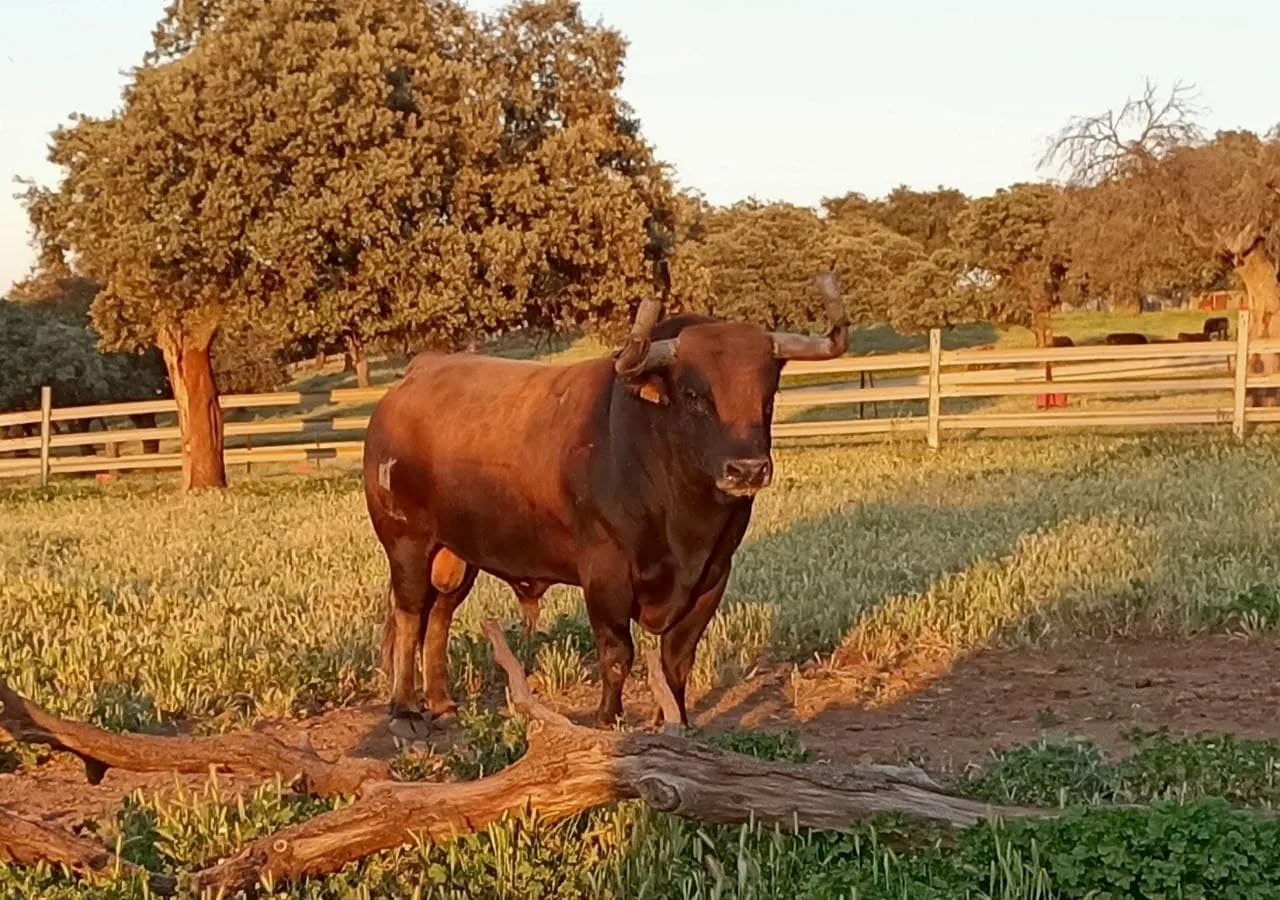
The ranch's home page says El Carrascal is the farm where the Torrestrella fighting bulls and Álvaro Domecq's horses graze. A second page on the same site says the Torrestrella cattle ranch was founded by Álvaro Domecq in 1954. Wikipedia describes the Spanish fighting bull as a breed raised free-range on large estates and selected for aggression, energy, strength and stamina. The family museum the ranch mentions is, in its words, about three generations of the Domecq family in the art of bullfighting on horseback. So this is a visit to the home of a bullfighting family and its animals, presented as a show.
What no source settles
Neither the ranch's pages nor the booking page say what the bulls do in the ring, and neither states that no animal is harmed. The ticket says only that bulls and cattle take part in what it calls acts of bravery. One reviewer on the booking page writes that no animals are harmed, which is a visitor's remark and not the ranch's own statement. The ranch's separate agency page also lists tienta and acoso y derribo among its activities, which are not part of this ticket. Wikipedia describes tientas as tests of fighting cattle, and acoso y derribo as a sport in which riders bring cattle to the ground with a pole.
Where this sits in a wider argument
Wikipedia records that opposition to bullfighting in Spain is called the antitaurino movement, and that the parliament of Catalonia voted in 2009 to ban it, with the ban taking effect in 2012. Other regions and cities have gone the opposite way and declared bullfighting part of their protected heritage. A fighting-bull ranch is part of the supply side of that world, however gentle a single morning there may look. Whether a visit supports something you object to is your decision. This guide will not make it for you, and it will not tell you the visit is neutral when its own sources do not.
The horses, which are the clearer half
The Andalusian, also called the Pure Spanish Horse, is a Spanish riding breed recognised as distinct since the 15th century, according to Wikipedia. It was used historically in the dressage arena, in harness, in the bullring and with cattle, and today for dressage and other riding sports. At the ranch the ticket names the Domecq family's horses and two kinds of dressage, campo and classical. The companion guide on this site explains how those two differ, so that you can tell what you are watching from the grandstand.
Who this isn't for
Leave it if you object to bullfighting and to the breeding of fighting bulls, because the show is a showcase of that breeding, and the family museum, if your ticket includes it, is about bullfighting on horseback. Leave it if you want a dressage gala: classical dressage is one item among cattle and bulls. Leave it if you need a written statement that no animal is harmed, because neither the ranch nor the ticket gives one. Think twice if you have no car, since the ranch sits in open countryside, and read the getting-there guide before you book.
How to decide before you book
Three questions settle most of it. First, can you accept that the ranch breeds fighting bulls for a tradition that many people oppose? Second, do you want a farm and horse show rather than a theatre one? Third, will you ask the ranch directly what the bulls do in the ring, since its site lists a reservations email and phone line for questions? If the answers suit you, pick a date in the calendar. A full refund is available if you cancel a day ahead, and payment can wait.
Frequently asked questions
Is the horses and bulls show near Jerez a bullfight?
No bullfight appears in the programme that the ranch or the booking page describes. They describe riders, cattle, mares with foals, dressage and bulls. Neither says what the bulls do in the ring, so ask the ranch if you need certainty.
Are any animals harmed at the show?
Neither the ranch's pages nor the ticket say either way. One reviewer on the booking page writes that none are harmed, but that is a visitor's remark. The ranch breeds fighting bulls, so ask it directly if this matters to you.
Where does the show take place?
At El Carrascal, the ranch of A Campo Abierto, on the A-2228 road at Benalup-Casas Viejas in Cádiz province. It is in the countryside of La Janda, not in Jerez city. Free parking is listed on the ticket.
How long is it and in which languages?
The ticket gives about an hour and a half and a presenter in English, French, German or Spanish. The ranch's own site gives a longer window for its version, which includes the stables and museum, so keep spare time.
Is there sherry or a museum visit?
The ranch's own page says the visit ends with a glass of sherry from Bodegas Álvaro Domecq and includes the stables, tack room and family museum. The ticket's inclusions list does not mention them, so check your booking.
Who is this guide written for?
For visitors who want to know what the ticket is before booking. The pages are independent: the ranch does not write them, and booking happens on GetYourGuide.
Sources
- A Campo Abierto, Experiences (the ranch's own programme)
- A Campo Abierto, Torrestrella (ranch and agency page)
- A Campo Abierto, home page (the ranch and its animals)
- A Campo Abierto, Reservations (address and contacts)
- Wikipedia on the Spanish fighting bull
- Wikipedia on bullfighting
- Wikipedia on the Andalusian horse
- Wikipedia on acoso y derribo